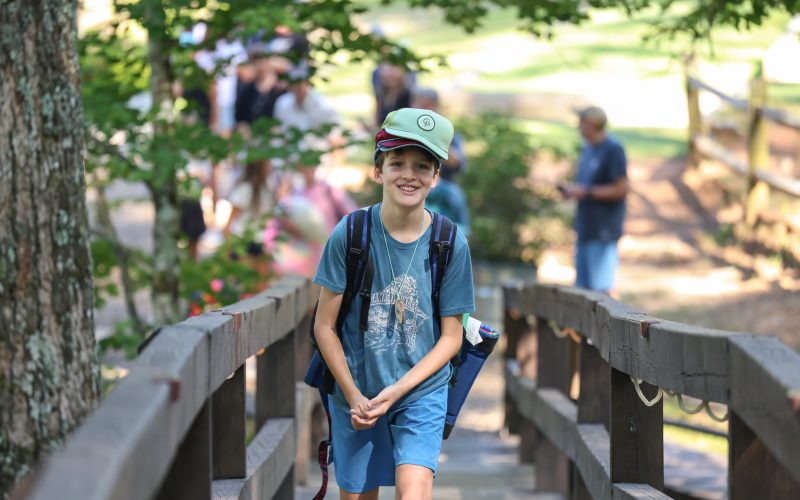
At Camp Pinnacle, our three favorite words are “safety, safety, safety.” It’s our mantra, often recited by campers and staff as we head out for an energizing game of capture the flag (passionately called Cat Flags), pack up for a backpacking trip in Pisgah National Forest, or begin our descent down our on-campus flow trail.
That repetition is intentional. We want to instill a safety mindset in our campers that stays with them long after summer.
But safety at Camp Pinnacle is not about eliminating challenge. It’s about creating the conditions where campers can safely stretch, try, and grow.
Kids Are Wired to Take Risks
We know children will push limits and test boundaries, it’s how they learn!
In noted child psychiatrist Dr. Lynn Ponton’s excellent book, The Romance of Risk: Why Teenagers Do What They Do, she asserts that teenagers are “wired” to take risks and that this is a natural part of developing risk assessment skills. Essentially, teenagers’ brains develop rapidly during adolescence, but they get their “accelerator” before they get their “brake.” In other words, bodies develop first, followed by brains, and last to develop is judgment.
Why We Talk About Reasonable Risk
At Camp Pinnacle, we encourage our campers to try new things and push themselves to the edge of their comfort zones. But we want them to do this in the safest way possible. That’s why we stress the importance of taking Reasonable Risks.
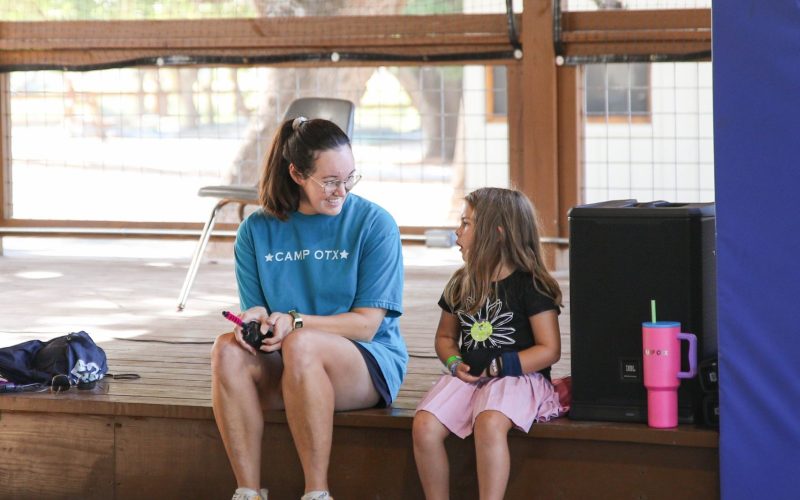
We work hard to make safety “cool” here. Our counselors are larger-than-life role models who don’t enforce safety through fear, but through example. Being safe isn’t about rules for the sake of rules; it’s about modeling good judgment and making that the norm.
How Judgment Is Actually Built
Judgment comes from experience and reflection. For most of us, this often develops from observing or participating in poor decisions. Sometimes kids just make dumb choices. I know I did.
Kids are more likely to make these choices when they’re surrounded by peers and without strong role models present. With that in mind, the challenge for parents is understanding that risk is natural. Our job isn’t to eliminate it, but to guide kids toward healthy risks like trying out for a team, performing in front of an audience, or going to summer camp, while discouraging the unhealthy ones (you can fill in your own worst parental fears here).
Why Camp Is the Ideal Place to Practice Risk
Camp Pinnacle offers real challenges within a carefully designed environment of trust and support. For many first-time campers, simply being away from home and having fun is a meaningful risk.
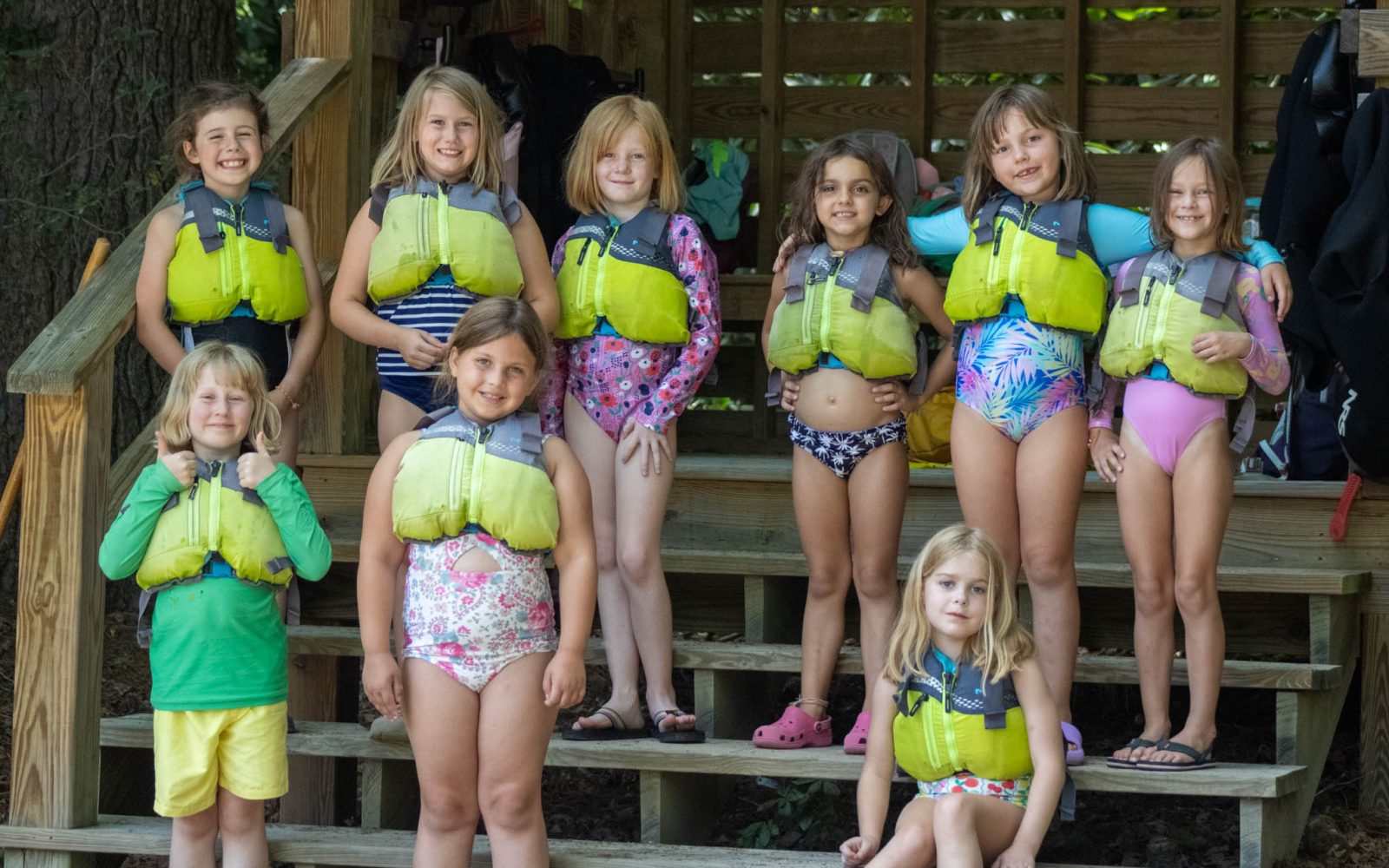
We intentionally create experiences that feel challenging but carry very little actual danger. We call this perceived risk. Whether climbing the wall, navigating the Sky Park, or riding the water zip line, campers are safely harnessed and supported by trained staff every step of the way.
When campers push themselves and succeed, often after real perseverance, they feel proud and capable. Just as importantly, they learn that thoughtful safety measures turn scary moments into reasonable risks.
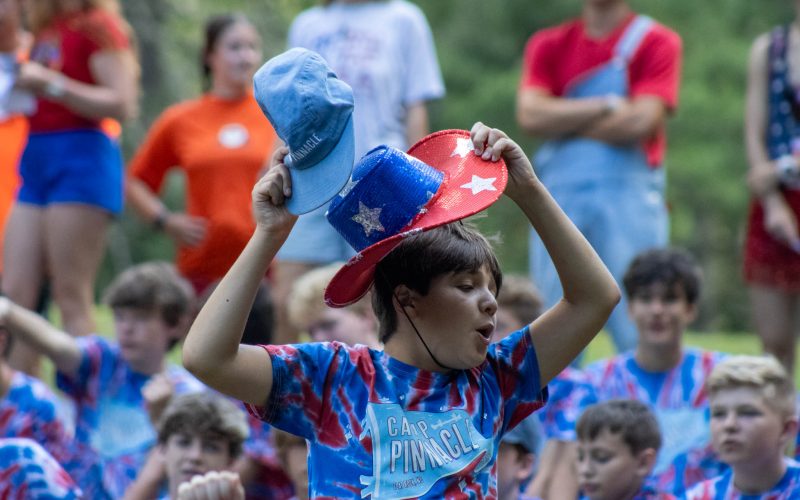
Camp is full of these moments. Performing in a cabin skit, speaking up in front of peers, or even introducing yourself to a new friend all require courage. Each small risk builds confidence and resilience.
Why Reasonable Risks Matter
Reasonable risk is where confidence is built.
When children are allowed to try something that feels scary but is thoughtfully supported, they learn more than the skill in front of them. They learn that nerves don’t mean “stop.” They learn that effort matters. And they learn that they can recover when things don’t go exactly as planned.
At Camp Pinnacle, we see this every day. Campers who arrive unsure leave knowing they can handle discomfort, ask for help, and try again. Sometimes they succeed on the first try. Sometimes they don’t. Both outcomes matter.
Our role isn’t to remove challenge from childhood. It’s to create environments where challenge is paired with care, structure, and trusted adults. When kids practice reasonable risk again and again, they build judgment, resilience, and confidence that lasts far beyond camp.